
Balancing coursework with external responsibilities—such as work, family, or personal commitments—can be one of the biggest challenges for college students. An important component to managing it all is learning how to prioritize tasks and assignments efficiently. In this post, we’ll explore how to prioritize based on urgency, assignment weight, and external factors, so you can manage your workload without feeling overwhelmed.
Why Prioritizing Matters
When you have multiple assignments, exams, and life responsibilities pulling you in different directions, it’s easy to feel overwhelmed. Without a system for prioritization, you risk falling behind, turning in rushed work, or even burning out. Properly prioritizing tasks ensures that you meet deadlines, maintain academic success, and still have time for your personal life.
Step 1: Know Your Instructor’s Expectations
Before you even begin to prioritize, make sure you understand your instructors’ expectations for each course. This includes:
- Assignment weight: Check the syllabus to see how much each assignment or test contributes to your final grade. Larger projects may hold more weight, requiring more time and effort.
- Grading scale: Some instructors may have lenient grading scales, while others grade more strictly. This can influence how much time you should dedicate to assignments.
- Late work policies: Does your instructor allow late submissions, and if so, what are the penalties? This can impact how you manage deadlines.
By understanding these factors, you’ll be able to focus more energy on the assignments that hold the most weight or are graded the strictest.
Step 2: Use the Eisenhower Matrix for Prioritization
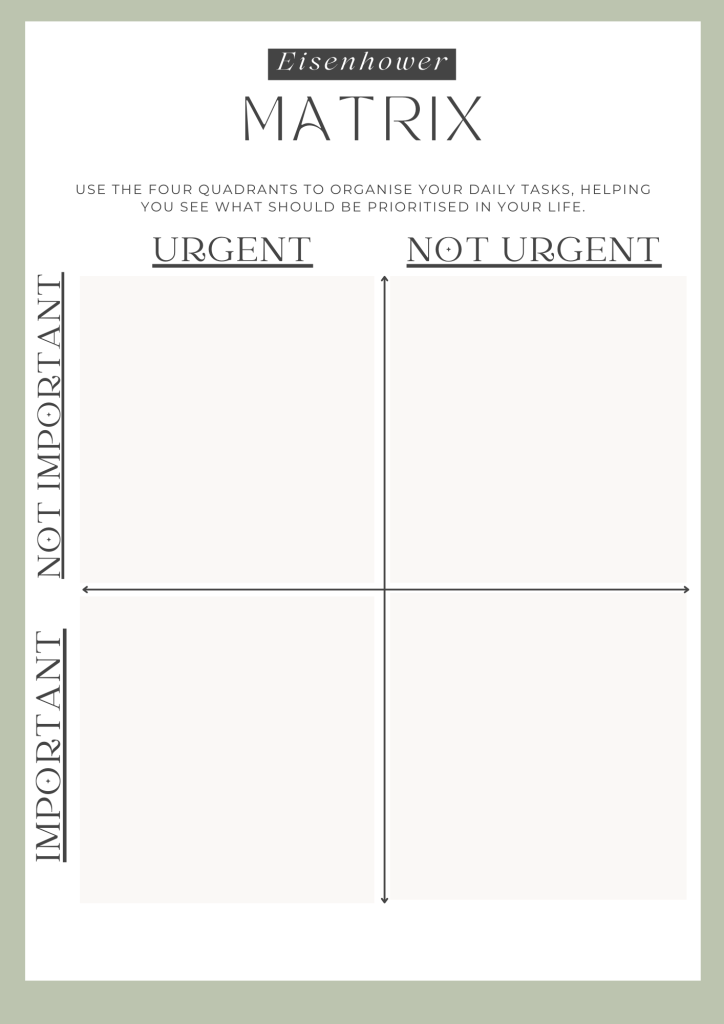
A helpful tool for managing tasks is the Eisenhower Matrix, which helps you categorize tasks into four groups based on urgency and importance:
- Important and urgent: These tasks need to be done immediately. This could include assignments with tight deadlines or preparations for exams happening in the next few days.
- Important but not urgent: These are long-term projects or papers that hold a lot of weight but aren’t due for several weeks. Start on them early to avoid last-minute panic.
- Urgent but not important: Tasks that may have a close deadline but don’t significantly impact your grade. For example, small participation assignments that may not carry much weight.
- Not urgent and not important: Low-priority tasks that won’t impact your grade or your long-term success. These tasks can be done later or even eliminated.
Step 3: Consider Assignment Point Values
The point value of assignments should play a major role in your prioritization strategy. High-point-value assignments or tests should be given priority over smaller assignments. For example, if you have a quiz worth 5% of your grade and a paper worth 30%, allocate more time to preparing for the paper, even if the quiz is due first. And when push comes to shove, if you have to skip some assignments? Make sure your skipping the ones worth the least amount of points, and that will negatively impact your grade the least.
Step 4: Factor in Outside Obligations
As a busy college student, your external responsibilities may limit the amount of time you can dedicate to studying. When planning your week, take into account:
- Work shifts: Schedule study time around your work hours. It’s crucial to block out enough time for major assignments during your off-hours.
- Family obligations: Factor in family responsibilities, whether that’s caregiving, attending family events, or household chores.
- Self-care and personal time: Prioritize your well-being by setting aside time for exercise, relaxation, or hobbies. Burnout is real, and self-care is crucial for long-term success.
When your schedule feels packed, aim to complete high-priority tasks during your most productive hours, whether that’s early in the morning or late at night.
Step 5: Break Down Large Projects into Smaller Tasks
For large assignments like research papers or group projects, break them down into smaller tasks with their own mini-deadlines. For example:
- Day 1: Research and gather sources.
- Day 2: Create an outline.
- Day 3: Write the introduction and first body paragraph.
By spreading the work out over several days or weeks, you avoid the stress of cramming it all in at the last minute, and you can still handle your other obligations.
Step 6: Reassess and Adjust Weekly
Your priorities may shift as new assignments come in or as personal obligations change. At the start of each week, reassess your list of tasks and adjust your priorities as needed. This way, you’ll always be on top of what’s most urgent and important.
Step 7: Use Tools to Stay Organized
There are several tools you can use to stay organized and keep track of priorities:
- Planners and calendars: Digital or paper, these help you visualize your week and stay on top of deadlines.
- To-do lists: Break down your tasks daily and prioritize them according to urgency and importance.
- Task management apps: Apps like Trello, Todoist, or Notion allow you to organize your tasks into categories and timelines, so you can stay on top of your priorities.
Conclusion: Prioritization is Key to Success
Mastering the art of prioritization is crucial for all busy college students, but especially those who have outside obligations, like working or taking care of family. By understanding assignment weight, using the Eisenhower Matrix, and staying organized, you’ll be better equipped to manage your workload effectively. Remember, it’s not just about getting everything done—it’s about doing the most important things first, so you can meet your goals without sacrificing your well-being.
 Equity Ink