Mastering Task Management: Prioritization for Overwhelmed College Students

Photo by Suzy Hazelwood on Pexels.com

Balancing coursework with external responsibilities—such as work, family, or personal commitments—can be one of the biggest challenges for college students. An important component to managing it all is learning how to prioritize tasks and assignments efficiently. In this post, we’ll explore how to prioritize based on urgency, assignment weight, and external factors, so you can manage your workload without feeling overwhelmed.

Why Prioritizing Matters

When you have multiple assignments, exams, and life responsibilities pulling you in different directions, it’s easy to feel overwhelmed. Without a system for prioritization, you risk falling behind, turning in rushed work, or even burning out. Properly prioritizing tasks ensures that you meet deadlines, maintain academic success, and still have time for your personal life.

Step 1: Know Your Instructor’s Expectations

Before you even begin to prioritize, make sure you understand your instructors’ expectations for each course. This includes:

  • Assignment weight: Check the syllabus to see how much each assignment or test contributes to your final grade. Larger projects may hold more weight, requiring more time and effort.
  • Grading scale: Some instructors may have lenient grading scales, while others grade more strictly. This can influence how much time you should dedicate to assignments.
  • Late work policies: Does your instructor allow late submissions, and if so, what are the penalties? This can impact how you manage deadlines.

By understanding these factors, you’ll be able to focus more energy on the assignments that hold the most weight or are graded the strictest.

Step 2: Use the Eisenhower Matrix for Prioritization

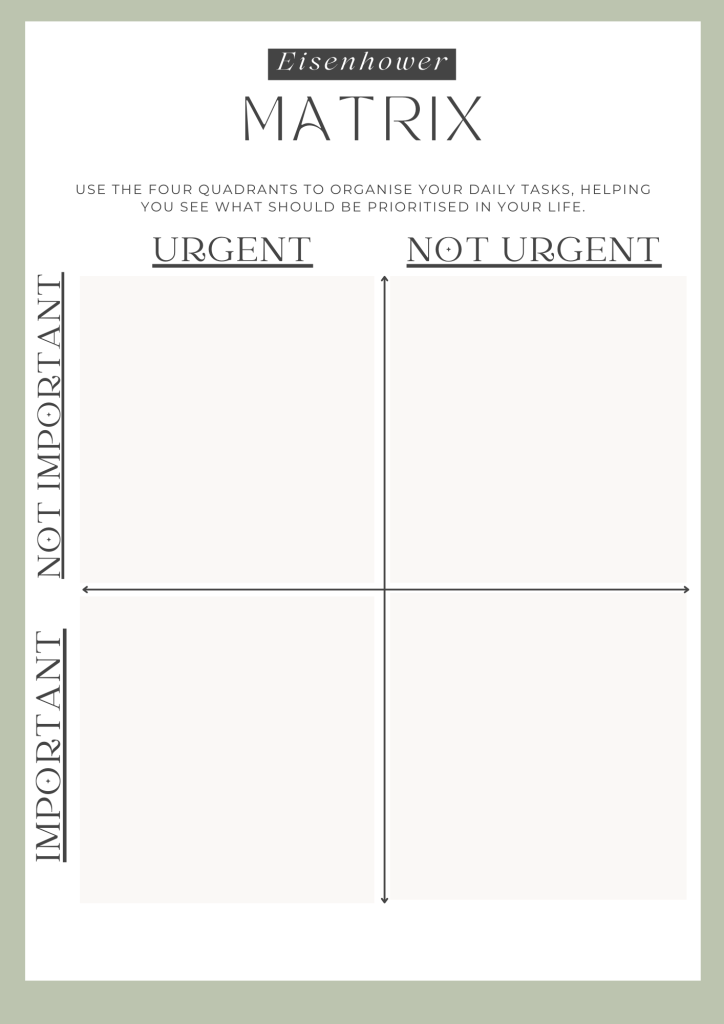
A helpful tool for managing tasks is the Eisenhower Matrix, which helps you categorize tasks into four groups based on urgency and importance:

  1. Important and urgent: These tasks need to be done immediately. This could include assignments with tight deadlines or preparations for exams happening in the next few days.
  2. Important but not urgent: These are long-term projects or papers that hold a lot of weight but aren’t due for several weeks. Start on them early to avoid last-minute panic.
  3. Urgent but not important: Tasks that may have a close deadline but don’t significantly impact your grade. For example, small participation assignments that may not carry much weight.
  4. Not urgent and not important: Low-priority tasks that won’t impact your grade or your long-term success. These tasks can be done later or even eliminated.
Step 3: Consider Assignment Point Values

The point value of assignments should play a major role in your prioritization strategy. High-point-value assignments or tests should be given priority over smaller assignments. For example, if you have a quiz worth 5% of your grade and a paper worth 30%, allocate more time to preparing for the paper, even if the quiz is due first. And when push comes to shove, if you have to skip some assignments? Make sure your skipping the ones worth the least amount of points, and that will negatively impact your grade the least.

Step 4: Factor in Outside Obligations

As a busy college student, your external responsibilities may limit the amount of time you can dedicate to studying. When planning your week, take into account:

  • Work shifts: Schedule study time around your work hours. It’s crucial to block out enough time for major assignments during your off-hours.
  • Family obligations: Factor in family responsibilities, whether that’s caregiving, attending family events, or household chores.
  • Self-care and personal time: Prioritize your well-being by setting aside time for exercise, relaxation, or hobbies. Burnout is real, and self-care is crucial for long-term success.

When your schedule feels packed, aim to complete high-priority tasks during your most productive hours, whether that’s early in the morning or late at night.

Step 5: Break Down Large Projects into Smaller Tasks

For large assignments like research papers or group projects, break them down into smaller tasks with their own mini-deadlines. For example:

  • Day 1: Research and gather sources.
  • Day 2: Create an outline.
  • Day 3: Write the introduction and first body paragraph.

By spreading the work out over several days or weeks, you avoid the stress of cramming it all in at the last minute, and you can still handle your other obligations.

Step 6: Reassess and Adjust Weekly

Your priorities may shift as new assignments come in or as personal obligations change. At the start of each week, reassess your list of tasks and adjust your priorities as needed. This way, you’ll always be on top of what’s most urgent and important.

Step 7: Use Tools to Stay Organized

There are several tools you can use to stay organized and keep track of priorities:

  • Planners and calendars: Digital or paper, these help you visualize your week and stay on top of deadlines.
  • To-do lists: Break down your tasks daily and prioritize them according to urgency and importance.
  • Task management apps: Apps like Trello, Todoist, or Notion allow you to organize your tasks into categories and timelines, so you can stay on top of your priorities.

Conclusion: Prioritization is Key to Success

Mastering the art of prioritization is crucial for all busy college students, but especially those who have outside obligations, like working or taking care of family. By understanding assignment weight, using the Eisenhower Matrix, and staying organized, you’ll be better equipped to manage your workload effectively. Remember, it’s not just about getting everything done—it’s about doing the most important things first, so you can meet your goals without sacrificing your well-being.

Writing for College: Essential Tips for First-Generation and Low-Income Students

Photo by Karolina Kaboompics on Pexels.com

Starting college can be an exciting, yet overwhelming, experience–especially for first-generation and low-income students. One particularly daunting challenge you will face is academic writing, which is essential for success in higher education. Fortunately, with the right strategies and resources, you can navigate college writing assignments confidently. In this post, we’ll explore essential tips tailored for first-generation and low-income students to help you master academic writing.

Understanding the Importance of Academic Writing

Academic writing is a formal style of writing used in colleges and universities to communicate complex ideas clearly and effectively. It includes essays, research papers, reports, and more. Strong writing skills are vital for academic success, as they enable you to articulate your thoughts, support your arguments with evidence, and engage critically with course material.

1. Familiarize Yourself with Assignment Guidelines

One of the first steps in successful writing is understanding the specific requirements of your assignments. Each professor may have different expectations regarding formatting, length, and content.

Tips for Success:

  • Read Assignment Prompts Carefully: Take the time to read through the assignment guidelines thoroughly. Highlight key points such as due dates, required formats, and grading criteria.
  • Look for information about the assignment in your online course shell. Many instructors include various pages about the assignment, such as instructions, rubrics, and examples. Make sure to look through everything that is provided.
  • Ask Questions: If anything is unclear, don’t hesitate to reach out to your professor or teaching assistant for clarification. They appreciate students who seek help and are often willing to provide guidance.

2. Develop a Strong Thesis Statement

Your thesis statement is the foundation of your paper. It conveys your main argument and sets the direction for your writing. Think of it as a map for your paper.

Tips for Success:

  • Be Specific: A strong thesis should clearly state your position and the points you’ll discuss. For example, instead of saying, “There are benefits to education,” say, “Higher education significantly enhances career opportunities and personal growth for first-generation students.”
  • Revise as Needed: Your thesis may evolve as you write, so be open to adjusting it based on your research and the direction your paper takes. Always revisit your thesis after writing the other parts of the paper to make sure your thesis and the body still “match.”

3. Conduct Thorough Research

Research is essential for supporting your arguments and enhancing the credibility of your writing. However, navigating academic research can be challenging, especially for first-generation and low-income students.

Tips for Success:

  • Use Academic Databases: Access resources like JSTOR, Google Scholar, and your college library’s database for peer-reviewed articles and scholarly publications. Avoid relying solely on general web searches for information.
  • Organize Your Findings: Keep track of your sources and take notes. It is essential to keep up with your sources so that you can properly cite them. This will also help you create a solid foundation for your arguments and streamline the writing process.

4. Create an Outline

Outlining your paper is a powerful strategy that can help you organize your thoughts and ensure a logical flow of ideas.

Tips for Success:

  • Structure Your Paper: Divide your outline into sections: introduction, body paragraphs, and conclusion. Use your thesis statement to guide the content of each section.
  • Include Supporting Points: For each main idea in your outline, jot down the evidence or examples you’ll use to support your argument.

5. Write Clearly and Concisely

Effective writing is about clarity. Your goal is to communicate your ideas in a way that is easy to understand.

Tips for Success:

  • Avoid Jargon: Use straightforward language and avoid unnecessary jargon or complex sentences that could confuse your readers.
  • Stick to the Point: Ensure that each sentence serves a purpose. Remove any fluff or unrelated information to maintain focus.
  • Read your writing aloud: sometimes our eyes don’t see our mistakes, but our ears will hear them. To ensure clarity, read your paper aloud.

6. Use the Writing Center and Campus Resources

Many colleges offer writing centers that provide valuable support for students struggling with their writing assignments.

Tips for Success:

  • Seek Feedback: Don’t hesitate to visit your writing center for guidance on your drafts. Writing tutors can help you improve your writing and provide constructive feedback.
  • Explore Additional Resources: Many campuses have workshops or online resources specifically designed to help students develop their writing skills.

7. Practice Time Management

Balancing academic responsibilities with work and family commitments can be challenging for first-generation and low-income students. Effective time management is crucial for success in writing assignments.

Tips for Success:

  • Create a Writing Schedule: Set aside dedicated time each week for writing and research. Break down larger assignments into smaller, manageable tasks.
  • Prioritize Tasks: Use a planner or digital calendar to keep track of deadlines and prioritize your assignments based on due dates and importance.

8. Revise and Edit Your Work

The writing process doesn’t end with your first draft. Revision is a critical step that allows you to refine your ideas and improve your writing.

Tips for Success:

  • Take Breaks: After finishing your draft, take a break before revising. This will give you a fresh perspective when you return to your work.
  • Proofread Carefully: Look for grammatical errors, typos, and awkward phrasing. Reading your paper aloud can help you catch mistakes and improve the flow of your writing. If grammar and mechanics is a weakness, find someone else to read your paper and check for these issues. Which leads to the next point…

9. Embrace Peer Review

Receiving feedback from peers can provide valuable insights into your writing and help you improve.

Tips for Success:

  • Form Study Groups: Collaborate with classmates to review each other’s work. Offering and receiving feedback can strengthen your writing and build a sense of community.
  • Participate in Peer Review Workshops: Many colleges organize peer review sessions where students can share their drafts and receive constructive criticism.

10. Build Confidence in Your Writing Skills

Many first-generation and low-income students struggle with self-doubt, which can hinder their writing abilities. Building confidence is essential for success.

Tips for Success:

  • Celebrate Your Progress: Acknowledge your achievements, no matter how small. Completing a draft or improving your thesis are victories worth celebrating.
  • Practice Regularly: The more you write, the more comfortable you’ll become. Set realistic writing goals and continuously challenge yourself to improve.

Final Thoughts

Writing for college can be a challenging journey, especially for first-generation and low-income students. However, by implementing these essential tips—understanding assignment requirements, developing a strong thesis, conducting thorough research, outlining, writing clearly, using campus resources, managing your time, revising your work, embracing peer review, and building confidence—you can master the art of academic writing.

Remember, you are not alone in this journey. Take advantage of available resources, seek support from peers and faculty, and believe in your ability to succeed. With dedication and perseverance, you can excel in your academic writing and make the most of your college experience.

10 Common Challenges for First-Generation Students (and How to Overcome Them)

First-generation college students are trailblazers. As the first in their families to navigate higher education, they often face unique challenges that their peers (and even their instructors!) don’t understand. From balancing academic expectations to understanding unwritten college norms, these students are incredibly resilient. However, it is important to remember that they may need assistance in facing new challenges in higher education. Below are ten common challenges first-generation students face, paired with practical strategies to overcome them.

Photo by energepic.com on Pexels.com

1. Navigating the College Admissions Process

First-generation students often feel overwhelmed by the college admissions process, especially if they lack family members who’ve gone through it. College has it’s own vocabulary! Understanding application deadlines, writing admissions essays or personal statements, and applying for financial aid can be daunting.

How to Overcome It:
Seek support early on. Many high schools and community organizations offer college counseling specifically for first-generation students. Colleges often have outreach programs or admissions counselors dedicated to helping first-generation applicants. Look for programs that offer support services specifically to first generation students. Don’t hesitate to ask for help and use free resources like the Common App or FAFSA guides.

2. Understanding Financial Aid and Managing Costs

Paying for college is one of the biggest concerns for many first-generation students, who often come from low-income backgrounds. Understanding how to apply for financial aid and budgeting for tuition, books, and living expenses can be difficult.

How to Overcome It:
Start by completing the FAFSA as early as possible. Many colleges offer workshops to help students fill out the form. Look into grants and scholarships tailored to first-gen students, and don’t be afraid to reach out to your school’s financial aid office with any questions. Creating a budget and sticking to it can help manage expenses over time.

3. Feeling Like an Outsider (Impostor Syndrome)

Many first-gen students struggle with feelings of not belonging or feeling like they don’t deserve to be at college. This phenomenon, known as impostor syndrome, affects academic performance and self-esteem.

How to Overcome It:
Recognize that you’re not alone—many first-generation students feel this way. Build a support network by joining campus organizations or first-gen student groups where you can share your experiences with others in similar situations. Mentorship programs can also connect you with older students who have been through the same journey.

4. Understanding Unwritten Academic Expectations

College professors may expect you to know certain academic norms, such as office hours, how to email them, or how to access academic resources. First-gen students often don’t have the same level of guidance about these expectations from family members.

How to Overcome It:
Familiarize yourself with academic support services like writing centers, tutoring services, and academic advising. Ask questions early and often—professors are there to help, and most appreciate when students take the initiative. Learn how to effectively communicate via email and make use of office hours to clarify assignments and ask for advice.

5. Balancing Work, Family, and School

Many first-generation students juggle part-time or full-time jobs, family responsibilities, and schoolwork. Many instructors don’t realize the extra load that their students are carrying outside of their course load. The pressure to balance these roles can lead to burnout or affect academic performance.

How to Overcome It:
Time management is key. Use planners, apps, or calendars to schedule your time. Prioritize your tasks based on deadlines and importance, and learn to say no when you’re overextended. Most importantly, seek out resources on campus, such as tutoring or academic support, that can lighten your load.

6. Limited Knowledge of College Resources

First-gen students might not know where to find academic support, mental health services, or career counseling, leaving them at a disadvantage compared to their peers.

How to Overcome It:
Take a proactive approach in learning about campus resources. Attend orientation events and ask staff about available services. Many schools have first-gen offices or programs, which can be a great place to start. You can also explore the college’s website to find various support offices and student services.

7. Family Pressure and Expectations

First-generation students may feel pressure from family members who don’t fully understand the demands of college life. The level of work needed outside of class time is huge, but family members may expect their family member to maintain certain responsibilities, such as contributing to the household or working full time.

How to Overcome It:
Open communication is crucial. Explain to your family the time and focus required for your studies, and try to find compromises. If possible, schedule specific times for family obligations to balance your academic and personal life without feeling overwhelmed.

8. Difficulty Developing a Social Support Network

Forming connections with peers and faculty can be difficult for first-gen students who may not be familiar with how to get involved in college social life or build relationships with professors.

How to Overcome It:
Get involved in student organizations, especially those catering to first-gen students or your personal interests. Building connections with peers through study groups, clubs, or extracurricular activities can help create a sense of belonging. Don’t be afraid to approach professors or attend office hours to start building a professional support network.

9. Academic Writing and Coursework Challenges

Writing assignments and research papers can feel overwhelming for first-generation students who might not have had as much preparation in high school compared to their peers. Academic writing, in particular, can be a significant hurdle.

How to Overcome It:
Take advantage of the writing center on campus or ask for help from tutors who can guide you through structuring essays, developing arguments, and improving grammar. Practice makes perfect, so seek feedback from professors and revise your work based on their suggestions. You can also take workshops focused on academic writing, which will help you develop these essential skills.

10. Managing Mental Health and Stress

College life can be stressful for any student, but first-gen students may feel additional pressures to succeed, leading to anxiety and mental health struggles.

How to Overcome It:
Recognize the importance of self-care. Many colleges provide free or low-cost counseling services for students—take advantage of these to address any mental health concerns. Practice stress-relief techniques like mindfulness, exercise, or journaling, and don’t hesitate to reach out to trusted friends or campus counselors for support.

Final Thoughts

Being a first-generation student can be challenging, but it’s also an incredible achievement. By knowing the common obstacles and preparing strategies to overcome them, you can navigate your college journey with confidence and success. Reach out for support, build your network, and remember that you belong in higher education just as much as anyone else.